Engineering Precision: The Technical Guide to Metal Stamping Terminals
Electrification, miniaturization, and harsh-environment deployment are transforming industrial equipment and automotive electronics. At the center of every reliable wiring harness, PCB assembly, and power distribution block is a critical hardware component: the metal stamping terminal.
A single intermittent contact or fatigue fracture can halt operations, trigger warranty recalls, or compromise safety. To prevent these failures, electrical architects and procurement teams prioritize mechanical endurance, electrical conductivity, and micron-level repeatability when sourcing metal stamping terminals.
Selecting the right raw strip stock is the first vital step in terminal manufacturing. The chosen alloy must balance formability during high-speed stamping with long-term spring elasticity to maintain consistent contact pressure.
Brass Alloys (e.g., C26000, C26800): Standard, cost-effective options for consumer electronics and low-voltage switches. Brass offers balanced formability and electrical conductivity (approx. 27%–28% IACS), though it is prone to stress relaxation above 80°C to 100°C.
Phosphor Bronze (e.g., C5191, C5210): The primary choice for leaf springs, multi-pin headers, and signal receptacles. Tin additions provide fatigue endurance, spring retention, and high resistance to micro-yielding under continuous mechanical deflection.
High-Performance Copper Alloys (e.g., C70250, C19400): Crucial for vehicle electrification and power electronics. These alloys resist thermal stress relaxation up to 150°C while preserving 40% to 60% IACS conductivity, protecting battery systems from thermal runaway.
Engineering teams partner with manufacturers like JX Precise to match strip alloys with specific electrical and thermal loads, ensuring long-term contact reliability.
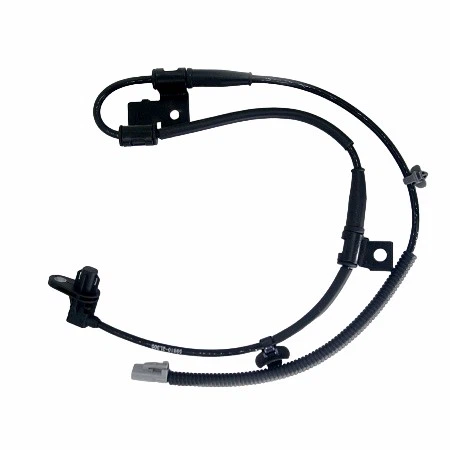
Precision stamped electrical terminals are formed using high-speed progressive die tooling. Metal strip feeds through straighteners into presses that pierce, notch, bend, and coin features at hundreds of strokes per minute, outputting terminals in continuous reeled strips or singulated batches.
To prevent oxidation and maintain low contact resistance, stamped parts undergo specialized plating:
Tin Plating (Sn): Cost-effective with low initial resistance, tin is common in automotive wire harnesses and industrial controls. It requires sufficient normal contact force to pierce surface oxide films.
Gold Plating (Au): Applied over a nickel barrier layer, gold resists oxidation and maintains low contact resistance under light mating forces, making it ideal for sensitive data connections and avionics.
Silver Plating (Ag): Delivers superior conductivity for high-amperage applications, including EV charging connectors and industrial busbars.
Selective Plating: Deposits noble metals like gold only on the active mating interface while using tin on the crimp or solder tails, lowering unit costs without sacrificing signal performance.
Sourcing precision hardware involves more than comparing unit costs. Successful programs depend on rigorous quality control, tooling precision, and material verification:
Tooling Control: In-house tooling design, wire EDM, and routine punch maintenance eliminate micro-burrs and prevent dimensional drift over long production runs.
Grain Direction Management: Stamping bends perpendicular or diagonal to the raw strip's rolling grain avoids micro-cracking on tight terminal crimp ears and contact beams.
Lot Traceability: Verified suppliers provide raw material heat numbers, alloy composition sheets, and plating thickness test data (such as XRF reports) for every production lot.
Automated Inspection: In-line optical vision systems and tonnage monitoring detect bent contacts and incomplete piercings before parts exit the press.
The performance of any electronic system depends directly on the integrity of its contact terminals. Evaluating base alloys, contact geometry, tooling tolerances, and plating finishes ensures consistent connectivity across challenging environments. Whether you are launching a new connector design or upgrading an existing harness interface, explore our standard and custom metal stamping terminal capabilities and contact our engineering team directly at www.jxprecise.com.
Stamped terminals are stamped from continuous sheet metal using progressive dies, making them far more cost-effective for medium-to-high volume runs. Stamping also allows intricate geometric features—such as flexible spring arms, retention lances, and open crimp barrels—that cannot be efficiently produced on lathes.
Fretting corrosion occurs when thermal expansion cycles or ambient vibrations cause repetitive micro-motion at the contact interface, wearing down the plating layer. For tin-plated contacts, this exposes base copper to air, forming an insulating oxide. It can be prevented by increasing normal contact force, choosing gold plating, or designing anti-vibration dual-contact beams.
Categories
latest blog
 33#Building Huli Industrial Zones, Meixi Road, Xike Town, Tong'an Area, Xiamen,China


© Copyright: 2026 Jiaxin (Xiamen) Precise Metal Co.,Ltd. All Rights Reserved

IPv6 network supported
Scan to WhatsApp

 English