material selection guide: SPCC vs SUS304 for motherboard I/O panels
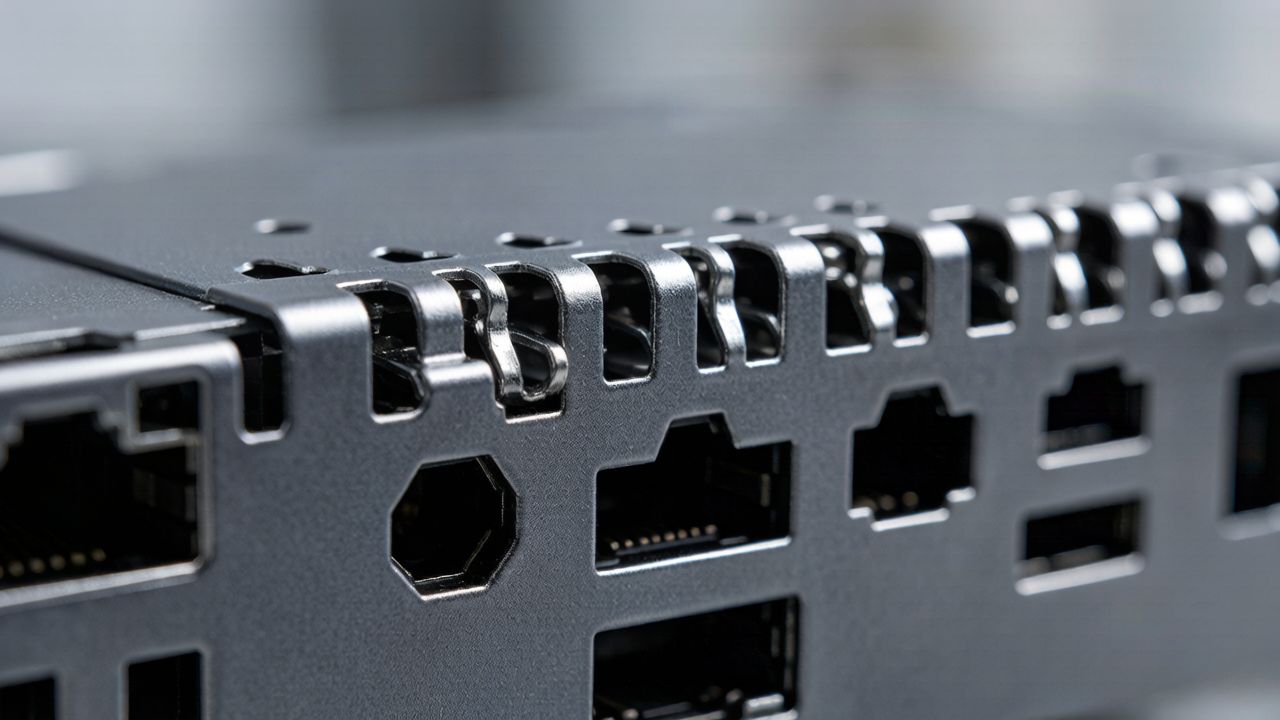
What is SPCC I/O Backplate?
SPCC is a low-carbon cold rolled steel widely used for mass-market computer I/O shields. It offers excellent stamping performance, low material cost and good low-frequency magnetic shielding ability. SPCC is soft and easy to bend, which helps produce precise grounding spring tabs and clean port cut outs for mass production.
The main disadvantage of SPCC is poor corrosion resistance. SPCC I/O backplates must be electroplated with tin or nickel to prevent rust. Once the plating layer is scratched during assembly or plug-in use, the bare steel will oxidize quickly, causing rust spots, poor grounding and audio noise issues, especially in high-humidity and coastal environments.
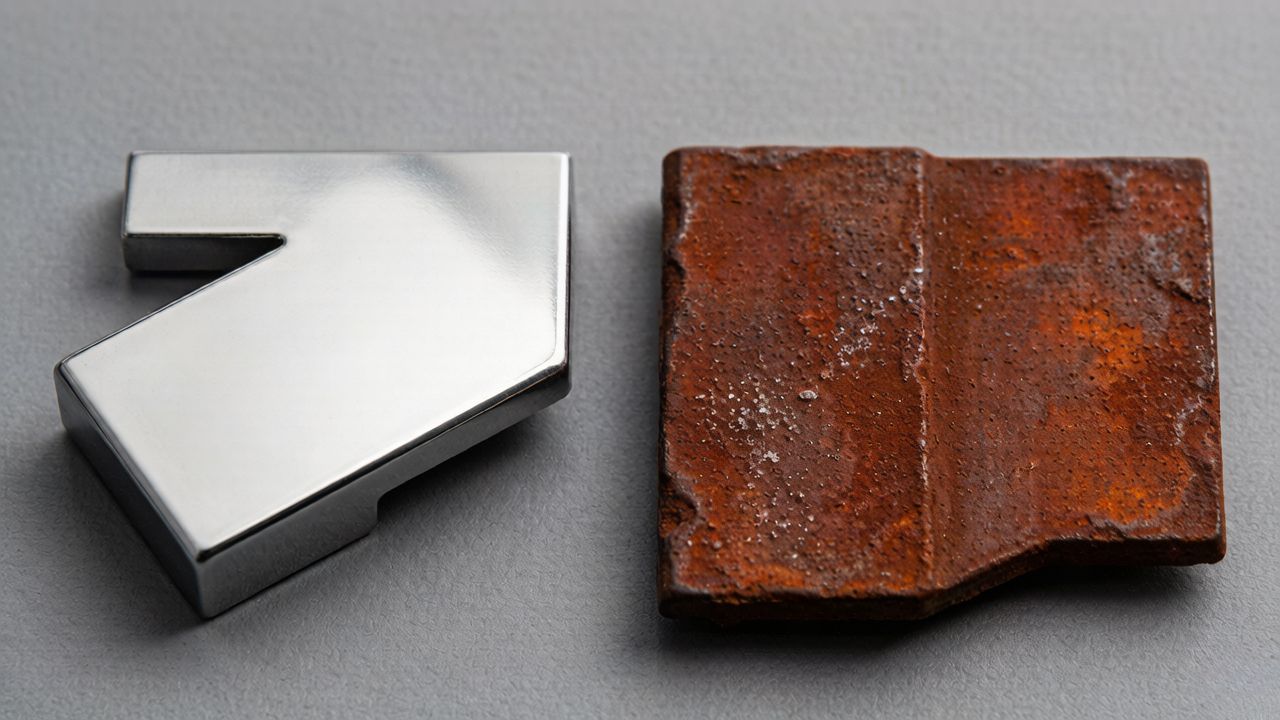
What is SUS304 Stainless Steel I/O Backplate?
SUS304 stainless steel is a premium material for high-end and industrial PC I/O backplates. It provides natural anti-rust performance without electroplating treatment. SUS304 features high mechanical rigidity, stable conductivity and strong salt fog resistance, making it ideal for long-term 24/7 operation devices.
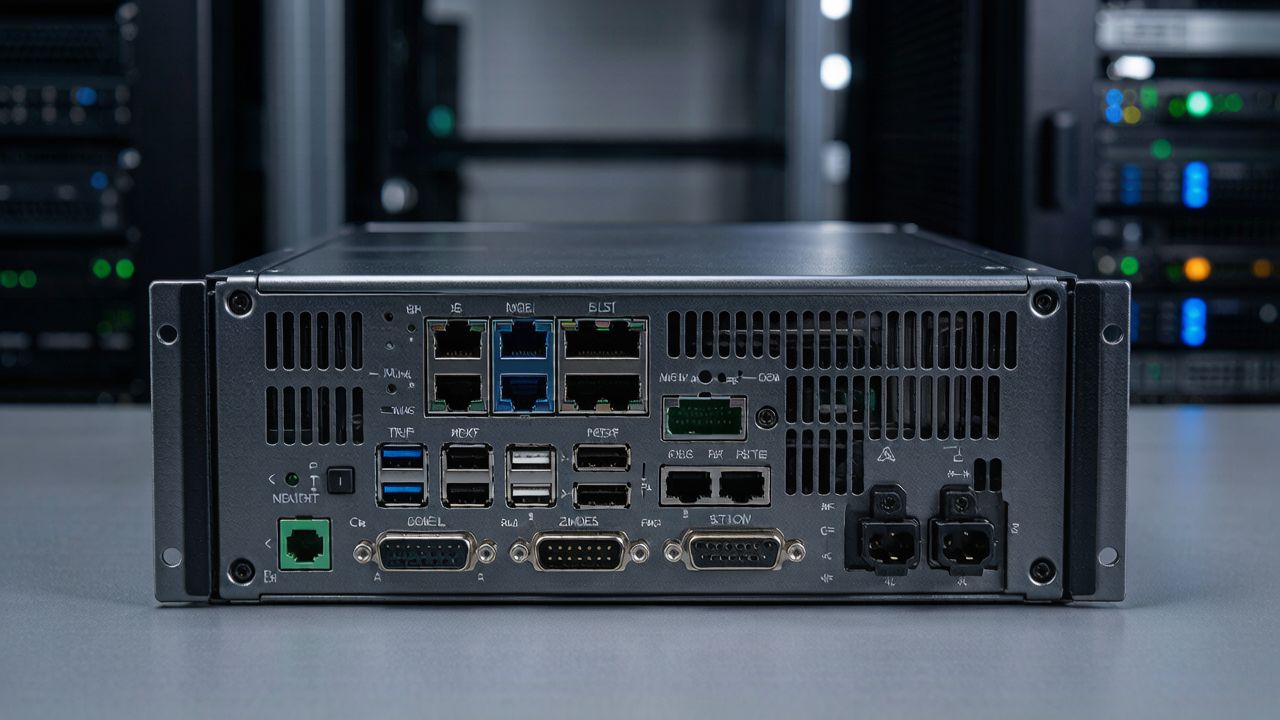
Compared with SPCC, SUS304 I/O shields maintain flatness after long-term use and keep consistent grounding spring pressure. It avoids peeling coating risks, ensures stable EMI shielding, clean appearance and reliable signal grounding for USB, HDMI, Ethernet and audio ports.
Key Differences: SPCC vs SUS304 I/O Backplate
- Corrosion Resistance: SUS304 is rust-proof without plating; SPCC relies on electroplating and is easy to rust after coating damage.
- EMI & Grounding Performance: SPCC has good low-frequency shielding after plating. SUS304 provides permanent stable conductivity and zero grounding failure risk.
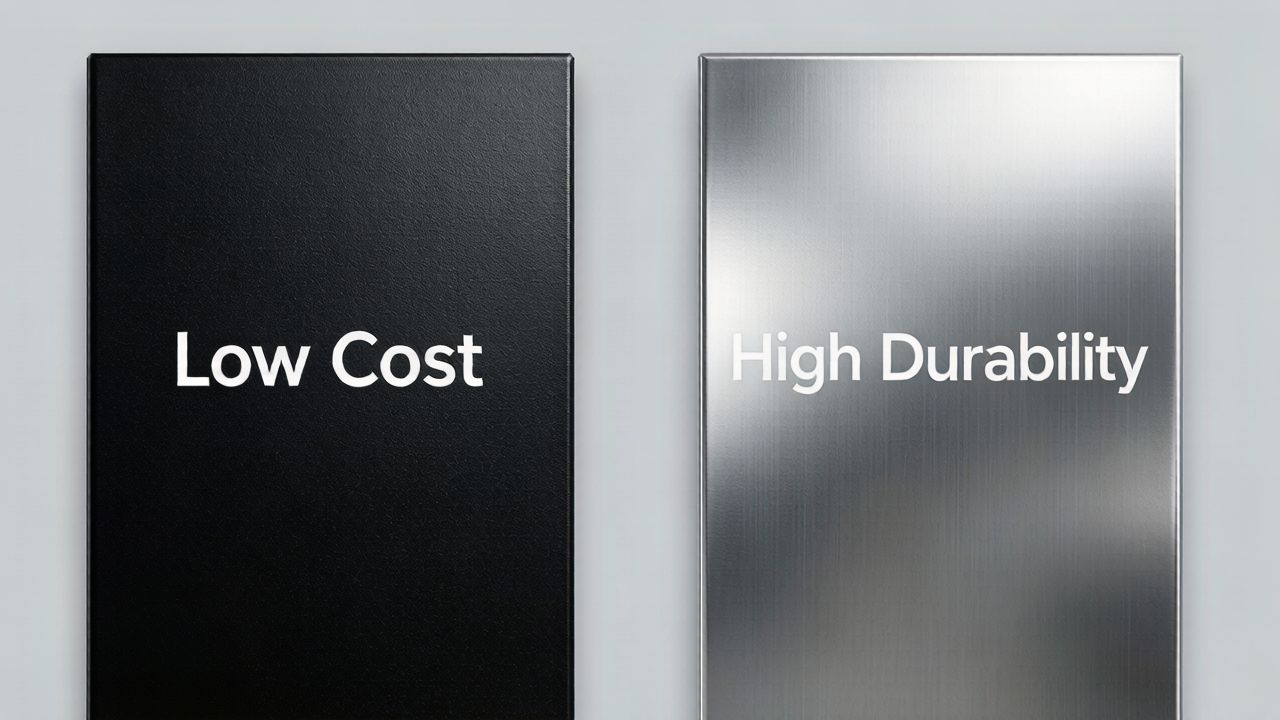
- Stamping & Production: SPCC is easy to stamp with low mold loss and high yield rate. SUS304 requires higher stamping force and brings more mold wear.
- Cost: SPCC has lower raw material cost and fits mass consumer PCs. SUS304 reduces post-processing and after-sales cost for high-end products.
- Service Life: SUS304 supports long lifecycle use in humid, tropical and coastal areas; SPCC suits short-cycle consumer electronics.
Which One Should You Choose?
Choose SPCC for entry-level and mid-range consumer motherboards, mass-production gaming PCs and cost-sensitive desktop projects. It is the most cost-effective solution for standard home and office computers with normal service cycles.
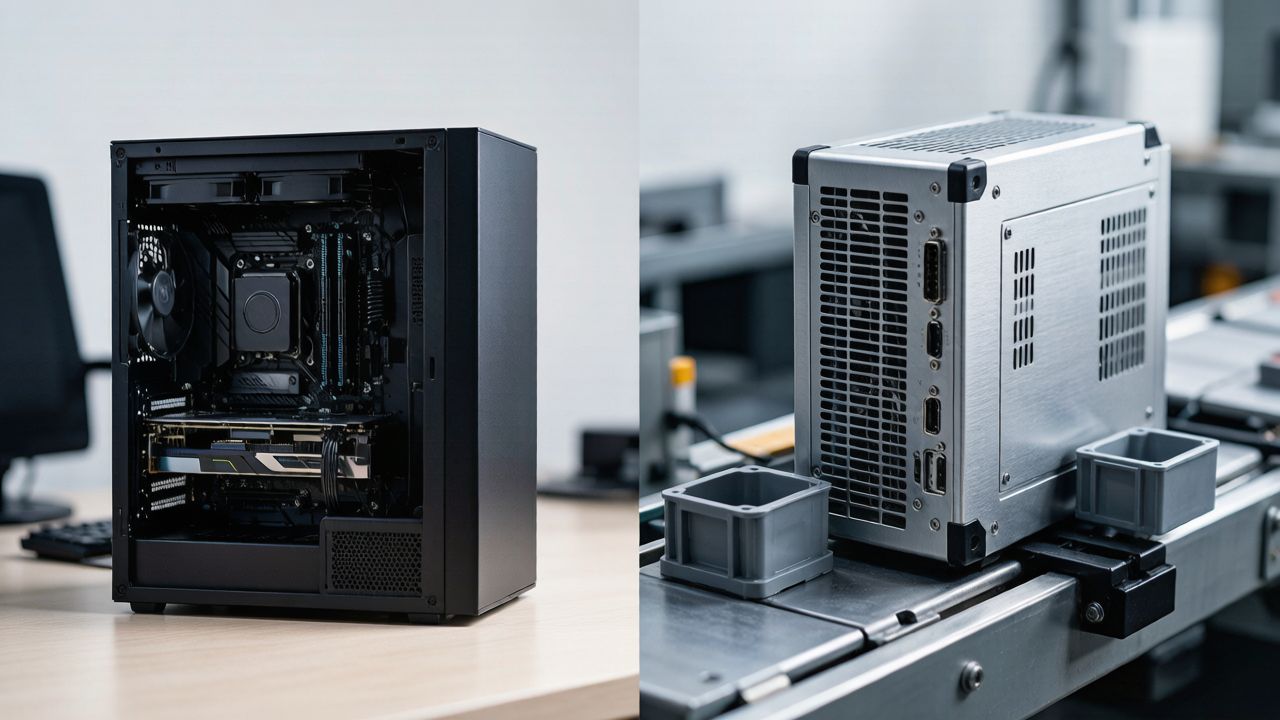
Choose SUS304 Stainless Steel for industrial PCs, servers, workstations, flagship motherboards and high-end chassis. It is also the best option for products exported to high-humidity, salt-fog and tropical regions, effectively reducing after-sales rust complaints and improving product durability.
Final Conclusion
SPCC and SUS304 are both qualified materials for PC I/O backplates. SPCC focuses on mass production cost efficiency, while SUS304 focuses on long-term durability, stable EMI shielding and zero-rust reliability.
Hardware manufacturers can select materials according to product positioning, target market environment and lifecycle requirements.
Categories
latest blog


© Copyright: 2026 Jiaxin (Xiamen) Precise Metal Co.,Ltd. All Rights Reserved

IPv6 network supported
Friendly Links :
More ProductsScan to WhatsApp

 English



 Jiaxin (Xiamen) Precise Metal C0.,Ltd.


