What is metal stamping for automotive parts
What is Automotive Metal Stamping?
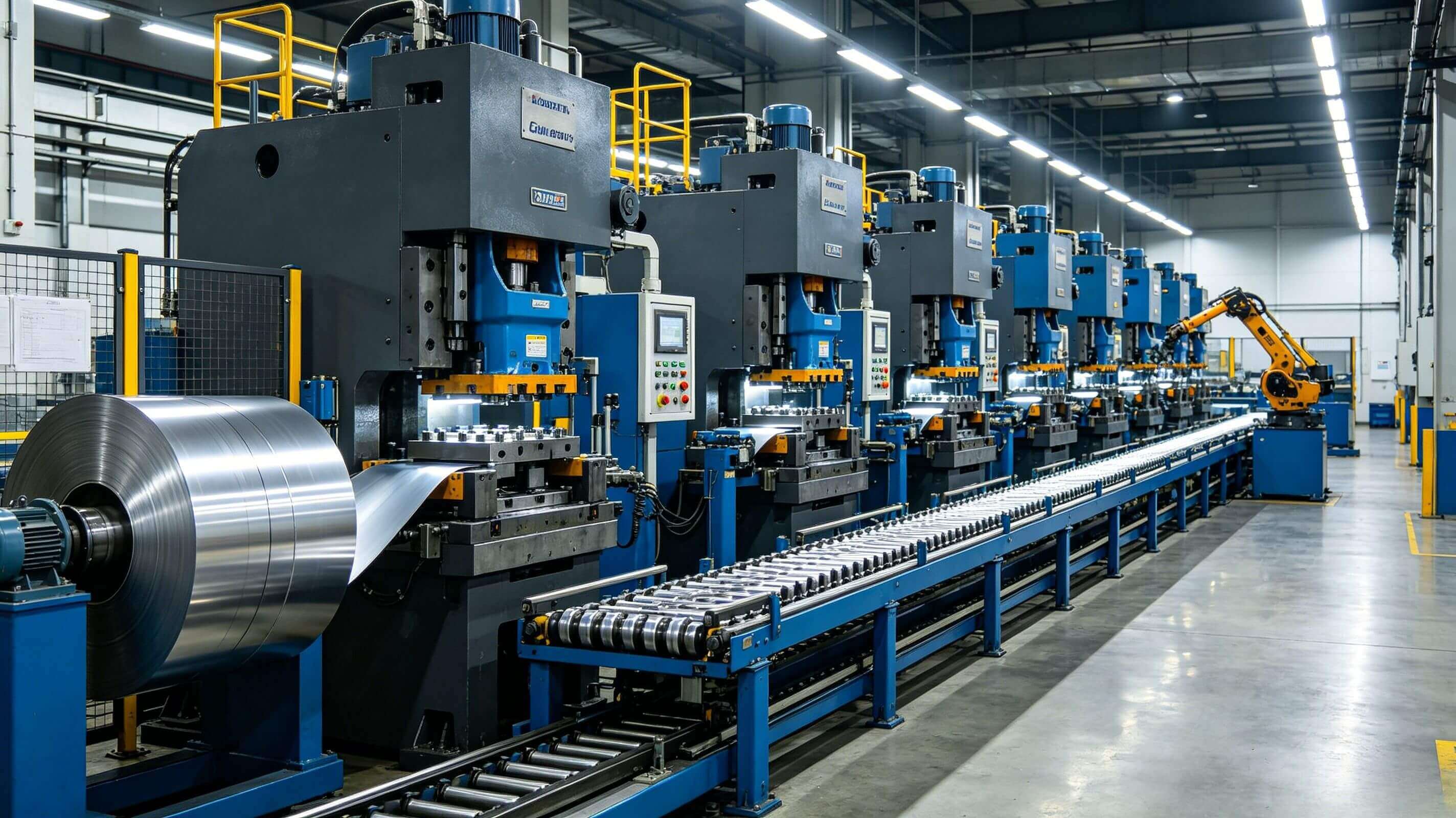
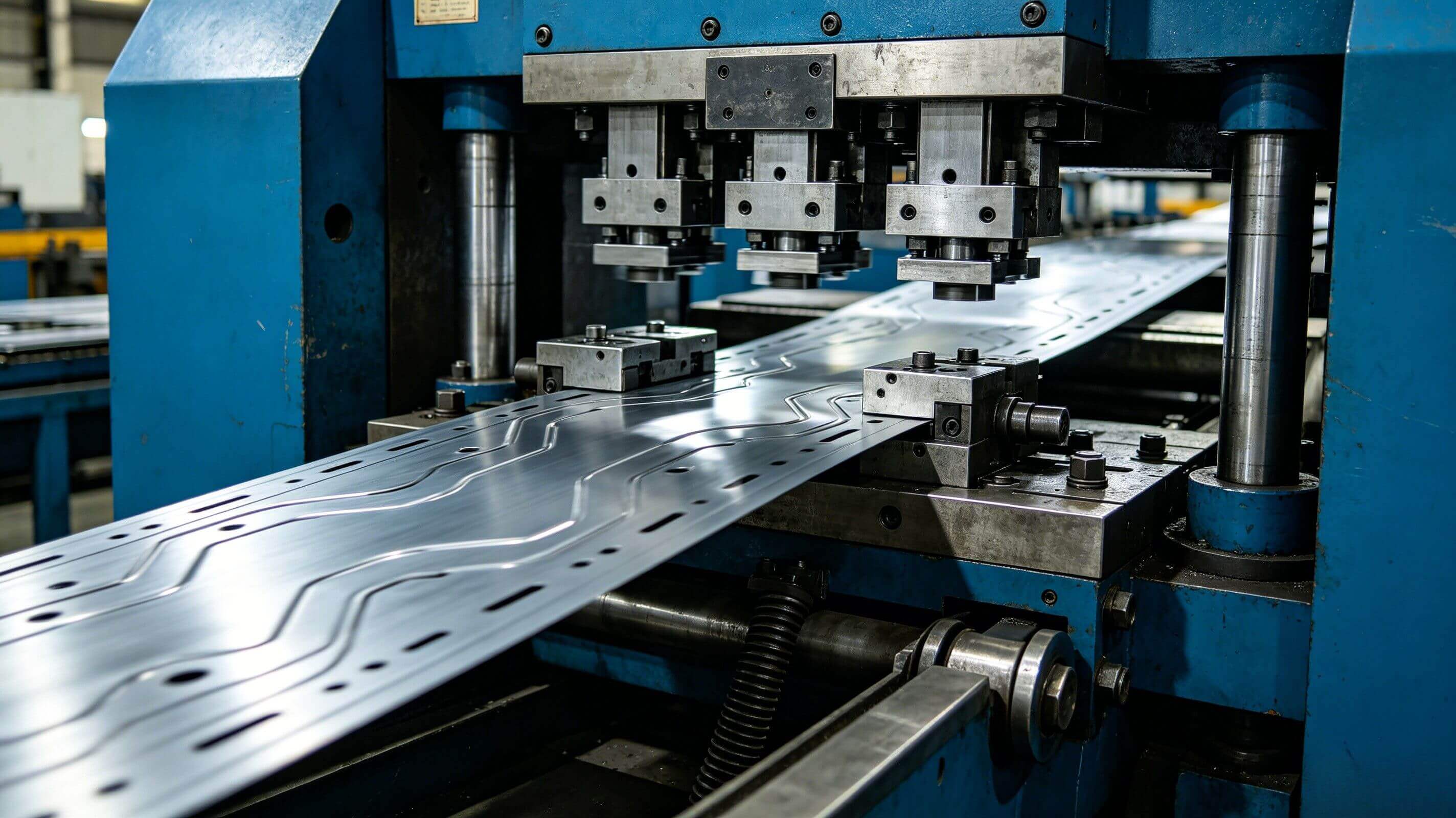
Automotive metal stamping is a manufacturing method that uses precision stamping dies and automated stamping equipment to process metal sheets through blanking, punching, bending, deep drawing, and shaping. This process transforms raw metal materials into standardized automotive hardware parts.
Unlike general metal stamping, automotive-grade metal stamping strictly follows automobile industry specifications for precision, durability, and safety.
Key Features of Automotive Stamping Parts
Automotive stamped parts are known for strict industrial standards that civilian stamping products do not require:
- Ultra-tight dimensional tolerance up to ±0.02mm.
- Burr-free, deformation-free batch production.
- Excellent resistance to high temperature, vibration, corrosion and humidity.
- Full compliance with automotive quality management systems.
Common Materials for Automotive Metal Stamping
Material selection is customized based on vehicle usage scenarios, ensuring part stability and service life:
- Cold-rolled steel: For body structures and chassis brackets.
- Galvanized & aluminized steel: Anti-corrosion parts for engine compartments and chassis.
- Stainless steel: Automotive fasteners, terminals and interior hardware.
- Silicon steel: Special material for NEV motor stators and rotors.
- Copper alloy: Conductive terminals and high-voltage connection components.

Main Applications
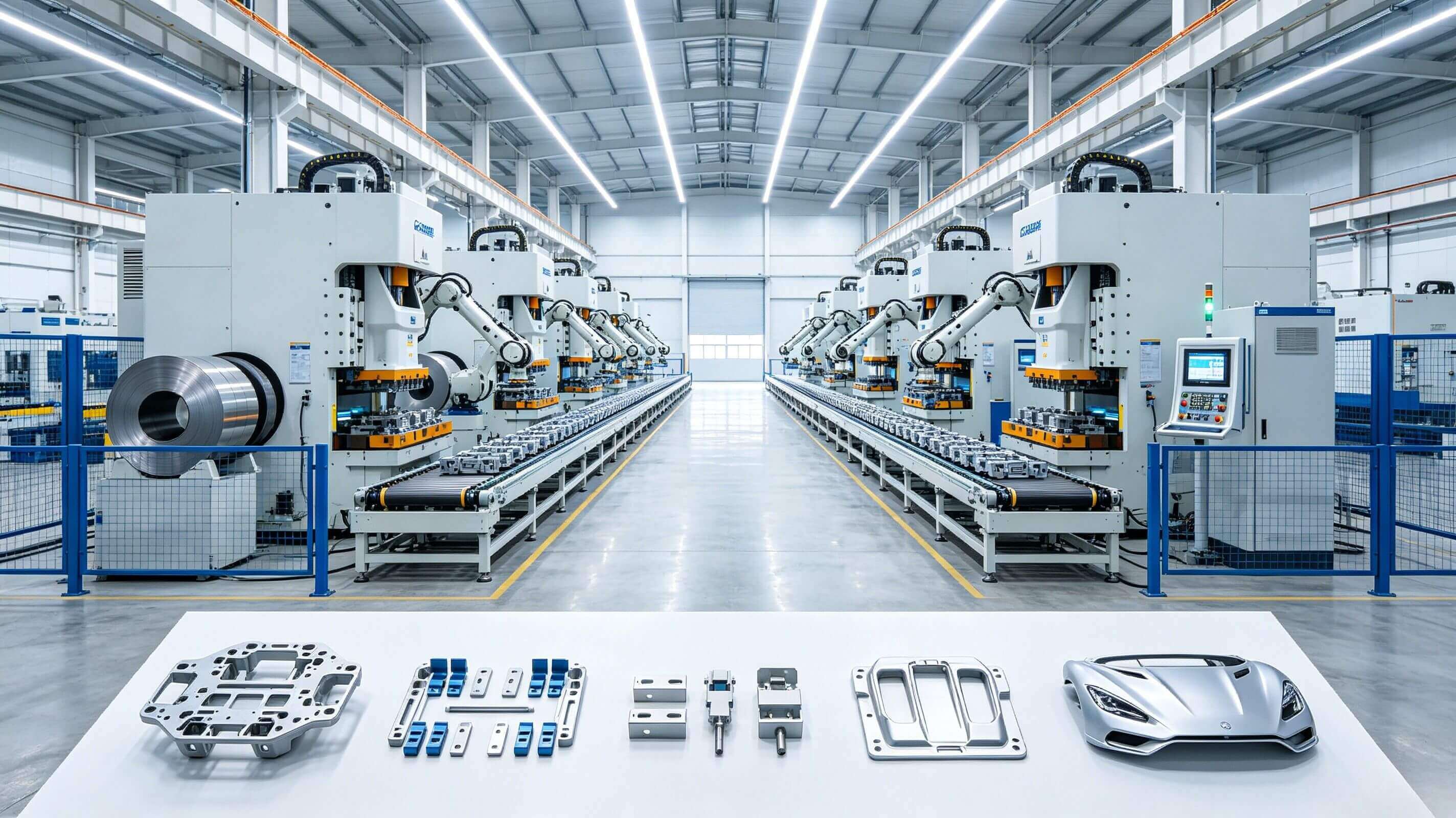
Automotive stamped metal parts cover full vehicle applications, including body structural parts, chassis suspension hardware, interior and exterior fasteners, engine accessories, automotive electronic shrapnel, and core components for NEV battery, motor and electronic control systems.
Core Manufacturing Process
High-speed progressive die stamping is the mainstream process for modern automotive production. It realizes fully automatic continuous processing, featuring high output speed, stable precision and low unit cost, which perfectly matches the mass production demands of automotive OEMs and Tier 1 suppliers. Most auto parts adopt custom mold stamping to achieve model-specific dimensional matching.
Automotive-Grade Quality Standard
Reliable automotive stamping manufacturers must obtain IATF16949 and ISO9001 certifications. All finished parts need professional tests including dimension inspection, salt spray test, vibration resistance test and tensile test, to meet strict automotive industry quality requirements.
Industry Development Trend
With the rapid growth of the new energy vehicle market, automotive metal stamping is evolving toward high precision, lightweight design and intelligent manufacturing. High-precision customized molds and automated stamping production lines have become the core competitiveness of professional auto parts manufacturers.
Categories
latest blog
 33#Building Huli Industrial Zones, Meixi Road, Xike Town, Tong'an Area, Xiamen,China


© Copyright: 2026 Jiaxin (Xiamen) Precise Metal Co.,Ltd. All Rights Reserved

IPv6 network supported
Scan to WhatsApp

 English