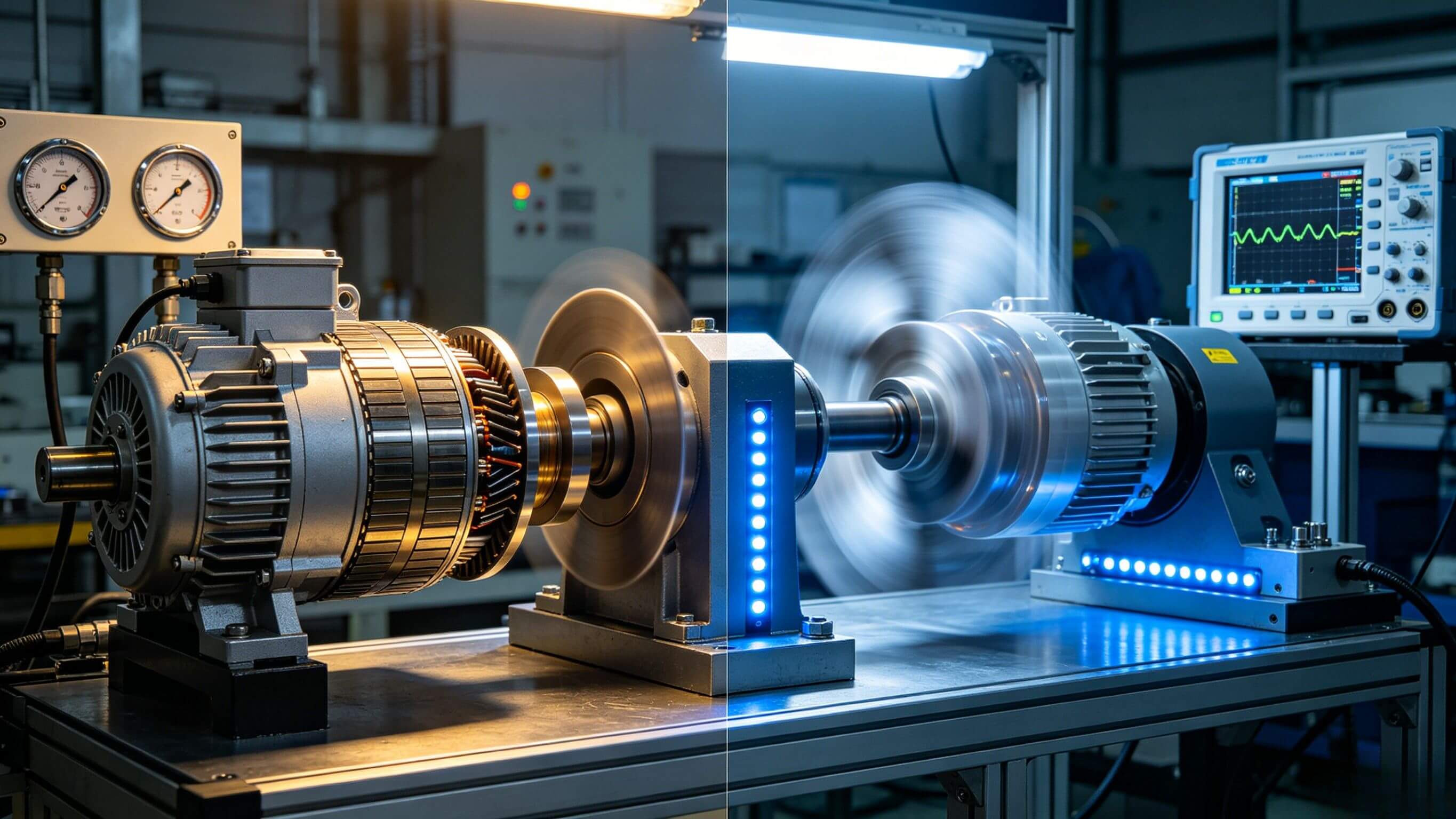
what is the difference between EV and traditional motor cores
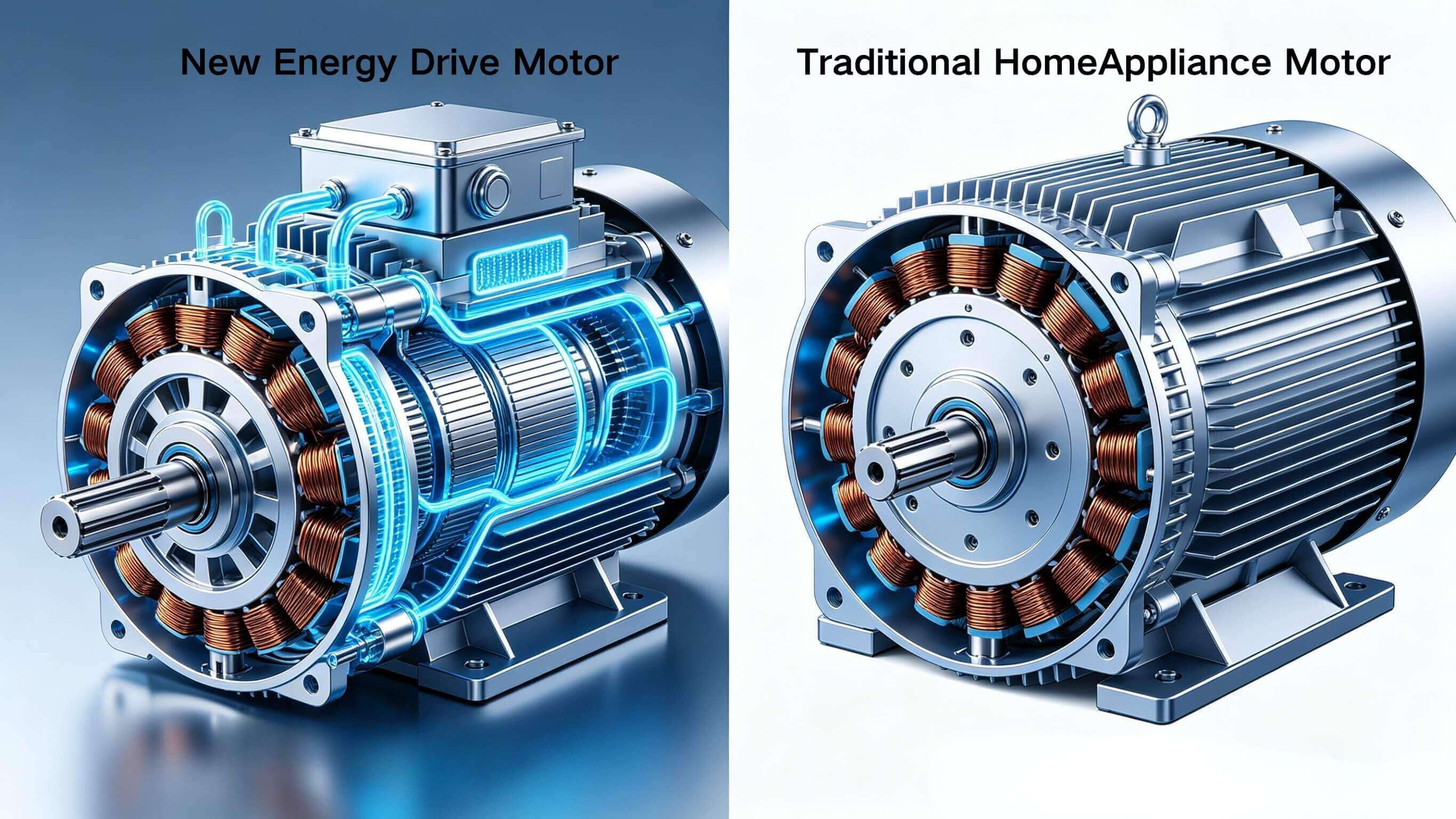
Motor cores including stator and rotor laminations are critical components that determine motor efficiency, stability and service life. Manufacturers classify them into new energy motor cores and traditional motor cores. Though both stator and rotor parts are made of laminated silicon steel via stamping, they differ greatly in materials, precision standards and applicable working conditions.
Application Scenarios
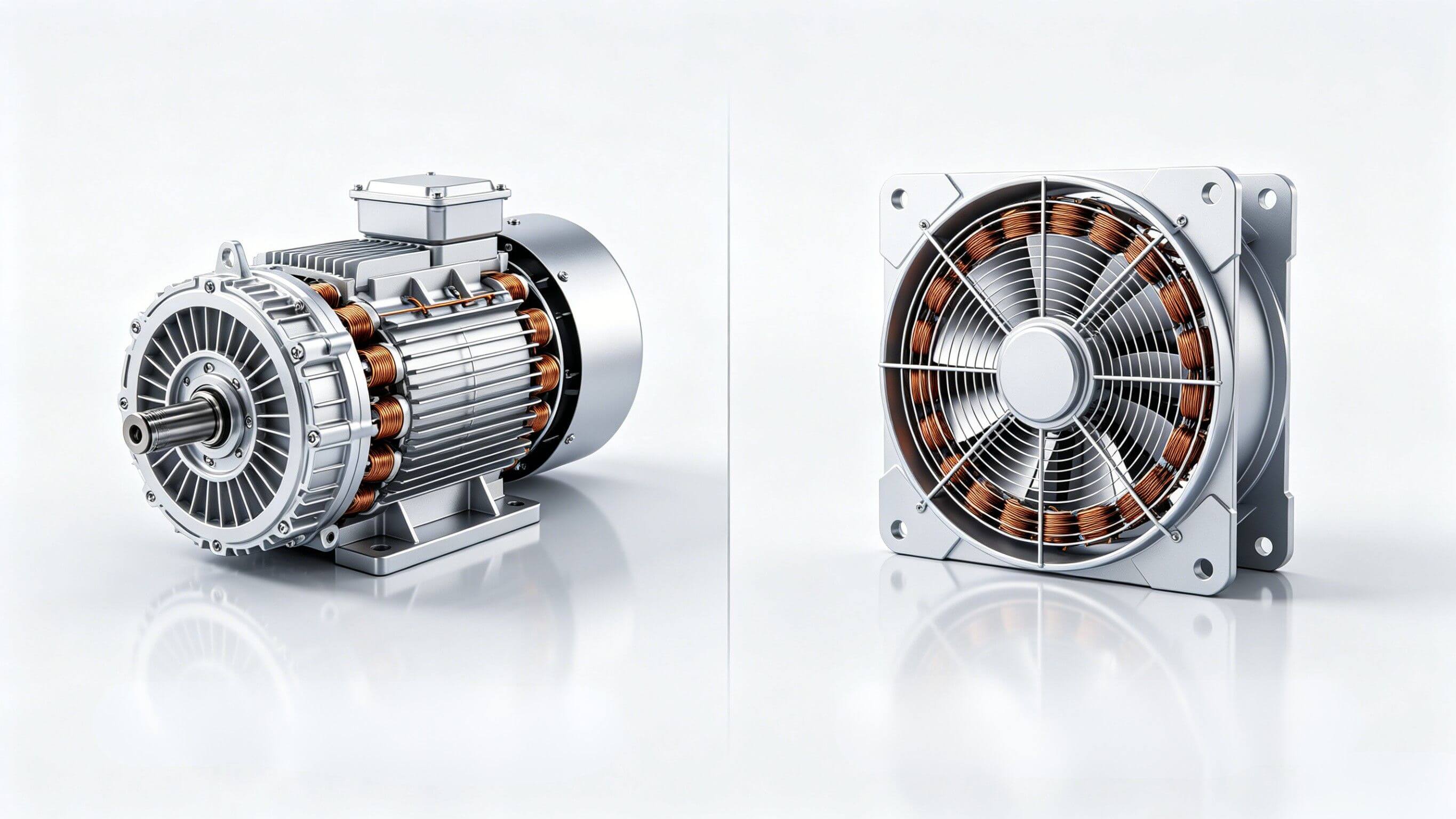
Traditional motor cores are widely used in household appliances, fans, pumps and common industrial motors. Designed for stable and low-speed operation, they fit general equipment with basic performance requirements.
New energy motor cores are engineered for EV drive motors, energy storage devices and high-power industrial motors. They support frequent start-stop, variable speed and high-load operation for rigorous working environments.
Raw Materials
Material selection is the primary gap between the two products.
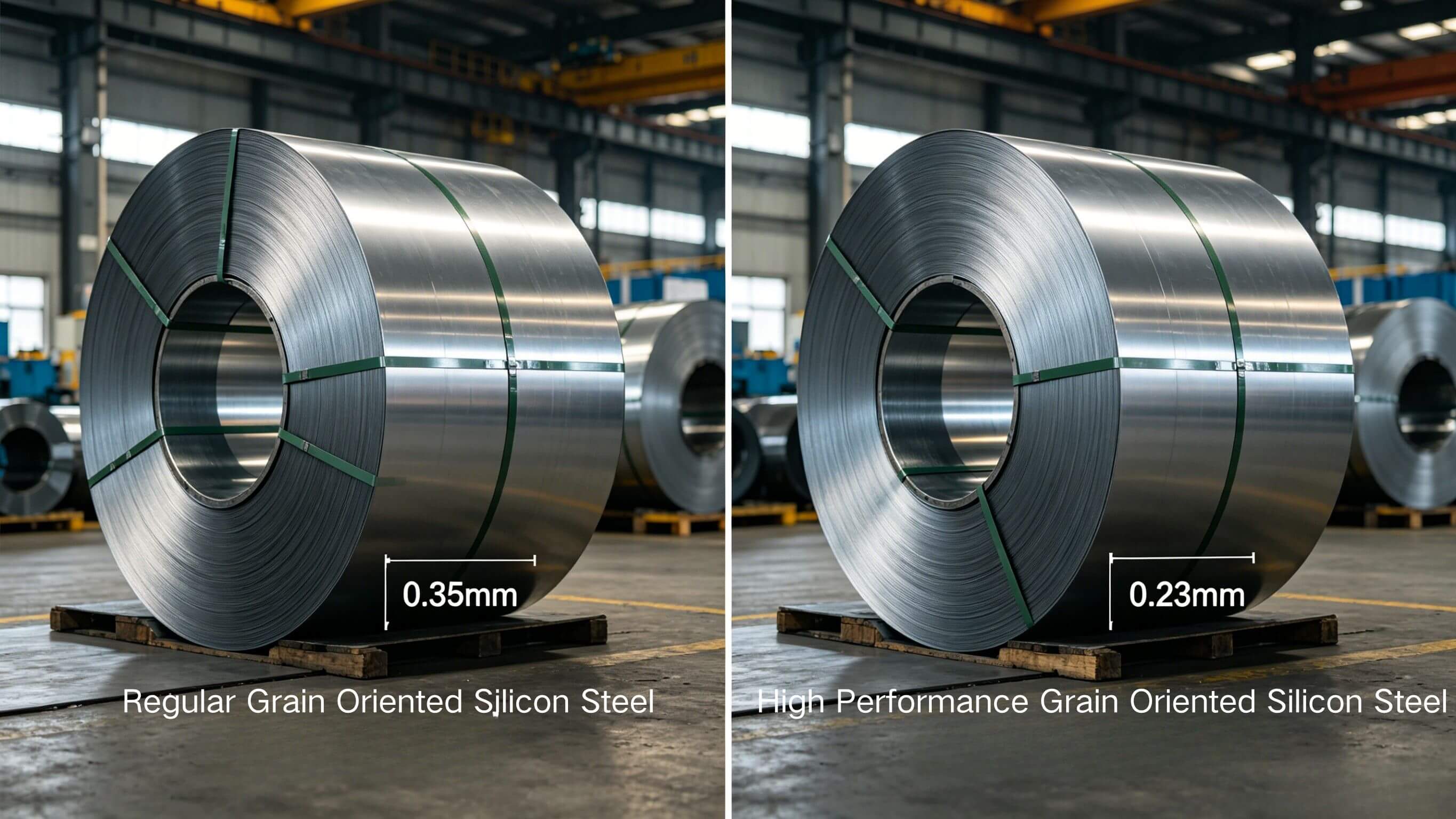
Traditional motor cores adopt regular low-cost silicon steel sheets. With average iron loss and magnetic properties, these materials are ideal for cost-effective mass production of standard motors.
New energy motor cores utilize high-grade thin silicon steel. Featuring lower iron loss and excellent heat resistance, the material minimizes heat generation under high-frequency operation and boosts overall motor energy efficiency.
Manufacturing Precision
Dimensional accuracy directly affects motor assembly quality and running noise.
Traditional motor cores allow larger tolerances and loose burr control. Simple stamping processes help manufacturers lower mold and production costs.
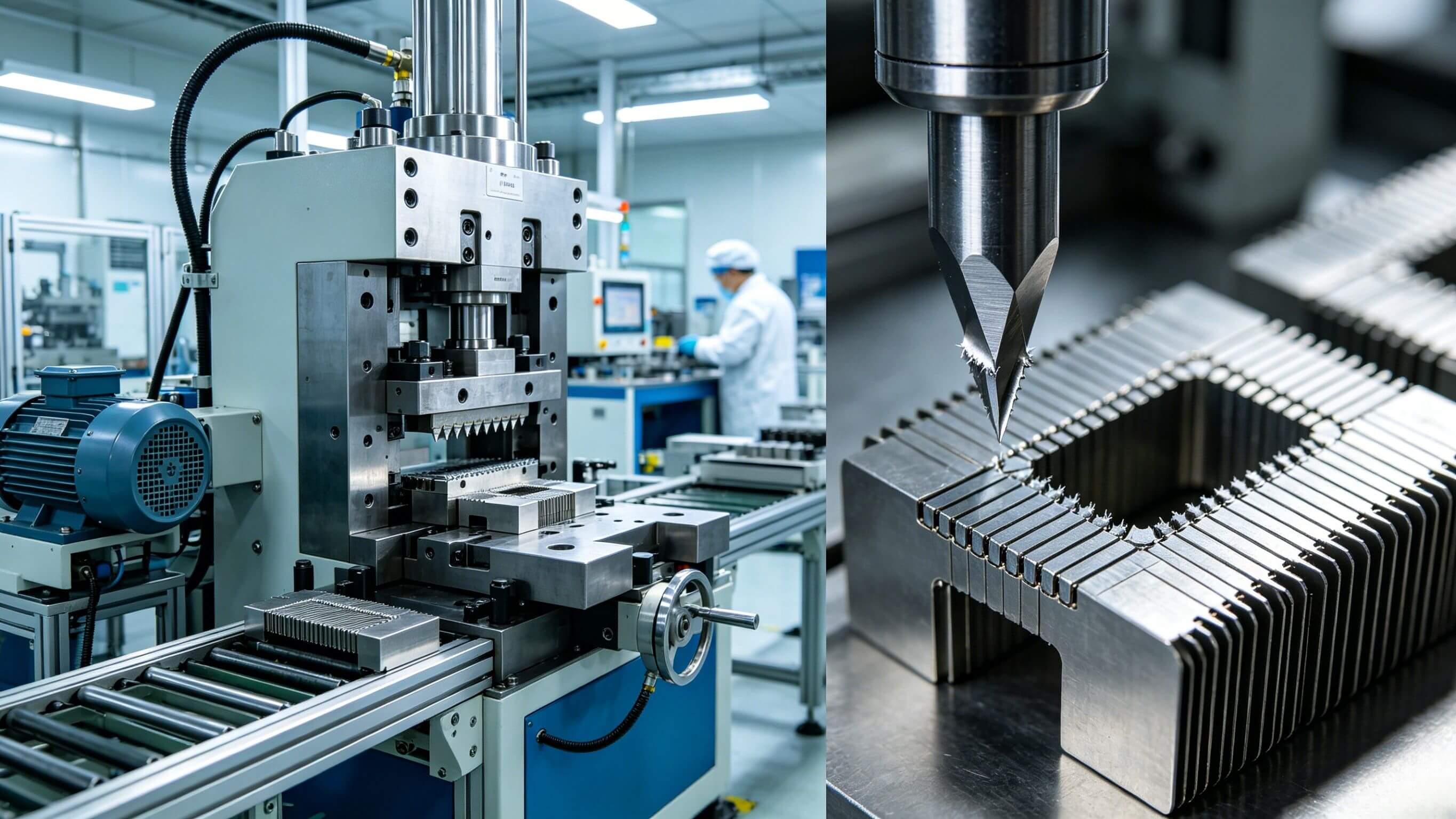
New energy motor cores require micron-level precision stamping and lamination. Strict burr control and dust-free production are required to guarantee dynamic balance for high-speed rotating drive motors.
Working Condition & Durability
Conventional motors run steadily at fixed speeds with slight temperature fluctuation, so ordinary motor cores only need basic structural stability.
EV motor cores usually run at 10,000–20,000 RPM. They must sustain high temperature, intense vibration and frequent speed changes, demanding superior thermal stability and fatigue resistance.
Cost Positioning
Benefiting from mature technology and affordable materials, traditional motor cores are budget-friendly and dominate the civilian motor market.
New energy motor cores are high-end precision parts. Higher material costs and stricter production standards make them suitable for new energy vehicles and advanced energy storage systems.
Conclusion
To sum up, the main differences cover materials, manufacturing precision, durability and application fields. Traditional motor cores focus on cost advantages, while new energy motor cores prioritize low iron loss, high precision and high efficiency for high-end drive motors.
Need custom stator and rotor laminations for new energy or traditional motors? We provide reliable OEM & ODM precision metal stamping solutions.
Categories
latest blog
 33#Building Huli Industrial Zones, Meixi Road, Xike Town, Tong'an Area, Xiamen,China


© Copyright: 2026 Jiaxin (Xiamen) Precise Metal Co.,Ltd. All Rights Reserved

IPv6 network supported
Scan to WhatsApp

 English